
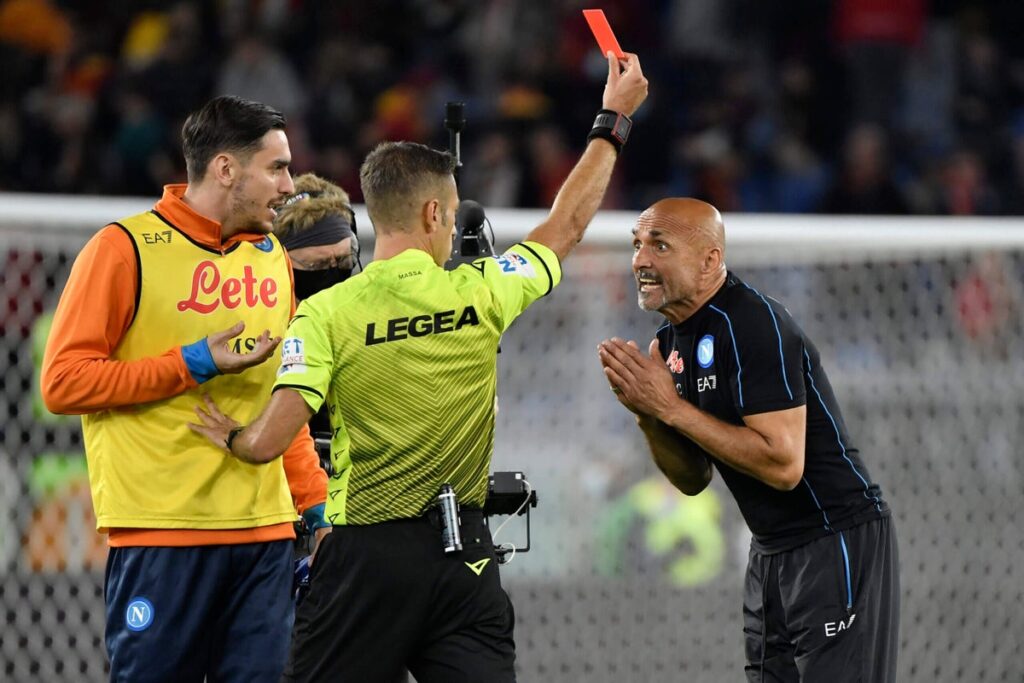
In the 2020/2021 Serie A season, matches involving relegation-threatened teams consistently produced distinct game patterns. These sides often played with caution, prioritizing structure over expression to secure survival points. This conservative tactics naturally reduced total goals while elevating tension-related discipline issues—producing more fouls, bookings, and broken rhythm sequences typical of lower-table rivalries.
Why low-scoring trends emerged around bottom teams
Defensive low blocks, limited creative resources, and risk-averse formations define relegation battles. Managers under survival pressure typically emphasize compactness and counter attacks. The outcome is slow tempo, frequent midfield congestion, and restricted shooting opportunities, leading to scores that often finish under 2.5 goals.
Teams that consistently shaped “under” outcomes
During 2020/2021, clubs like Torino, Cagliari, Benevento, and Spezia recorded below-league-average total goals per game. Their focus on containment was pragmatic rather than stylistic. These teams regularly deployed narrow shapes that stifled central progression. Matches between similar profiles—relegation rivals meeting head-to-head—became statistically strongest for under-goal markets.
Defensive styles and their impact on match rhythm
There are four broad tactical characteristics that reinforced low goal tendencies across relegation duels:
- Deep defensive lines minimizing transition space.
- Early time-wasting and slow build-up while in possession.
- Heavy midfield density compressing chance creation zones.
- Reliance on set pieces for scoring opportunities.
These features combined to produce fewer open-play moments but prolonged physical exchanges, which in turn elevated foul frequency. The defensive caution that suppresses scoring also increases the frustration threshold among players, laying the groundwork for disciplinary spikes.
Where yellow card probability climbed
In high-stakes clashes, teams near the bottom accumulate bookings faster than midtable sides because emotional containment disintegrates when survival pressure heightens. The cumulative tactical fouls interrupting counters and aerial duels further amplify caution count. This trend was particularly notable in games featuring Torino and Parma, both known for breaking rhythm before transition waves could develop.
The relationship between tactical stress and discipline
Yellow cards cluster not merely from aggression but from tactical necessity. To prevent open space exposure after turnovers, defenders resorted to delaying fouls. This systematic fouling—while reducing opponent xG—gradually raised team card averages. Analysts noted that relegation-level Serie A clubs averaged around 3.2 yellow cards per game, compared to the league’s mean of 2.6.
Reading data for betting context
For bettors operating within odds-based frameworks, interpreting such tendencies translates into measurable advantage. Observing conditional behavior—low pace, frequent interruptions, and referee profiles—helps separate probable under goals from coincidental ones. Analytical reading enables accuracy especially when emotional crowd pressure is absent, as it was during parts of that pandemic-affected season.
Integrating structured insights through analytical sources
In contexts where bettors seek to merge observed restraint with betting decisions, analytical consistency matters. Through structured observation of Serie A data and team style mapping, distinct correlations between fouls and score suppression emerged. Within informed decision-making circles, ทางเข้า ufabet168 functioned as a web-based service enabling users to align these thematic insights with statistical references in real time. Access to breakdowns such as averaged foul distribution and card intervals permitted bettors to contextualize referee impact alongside tactical setup, refining both goal and discipline projections before markets shifted.
Emotional volatility and its tactical expression
Pressure-heavy football magnifies psychological patterns—fear of conceding translates into hesitation in possession, while desperation near the bottom table fosters reckless defensive intervention. Both trends drive matches toward lower totals yet more conflicts. Bookings, therefore, become an emotional index reflecting relegation tension just as goals reflect tactical initiative.
Parallel logic across risk-managed environments
Outside sport, decision-making under uncertainty shares comparable behavioral outcomes. In systems governed by probability and emotional control, the relation between caution and volatility mirrors gaming frameworks. Within a highly structured casino online setting, participants also experience tension-driven behavioral changes—balancing caution with risk impulses. Across disciplines, interpreting those patterns distinguishes rational forecasting from reactive guessing, emphasizing the consistency between competitive psychology and probabilistic action.
Summary
Serie A’s 2020/2021 relegation fights revealed a consistent statistical structure: cautious systems, suppressed scoring, and heightened disciplinary metrics. Tactical conservatism, under pressure, produced defensive rigidity that lowered total goals but intensified foul accumulation. Understanding this dual outcome—where fear limits attack yet inflates discipline—offered bettors and analysts a valuable predictive lens for identifying under-score matches and card-laden contests across high-stress survival fixtures.